Published · 9 min read
Giclée, Lithograph, Screenprint: Print Types Explained
The word “print” covers a stone lithograph, a screenprint, an etching, a pigment print and a poster. How to tell them apart, and what each is worth.
Almost every difficult question in the affordable end of the art market comes down to one word doing too much work. "Print" describes a stone lithograph pulled by hand in an edition of thirty, a screenprint the artist pushed ink through themselves, an etching bitten into copper, a pigment print made from a digital file, and the poster of a museum painting sold in the gift shop. Those objects share a name and nothing else — not their making, not their scarcity, not their price.
The vocabulary is worth an afternoon because it is the whole defence against overpaying. Once you can name what is in front of you, a listing that avoids naming it tells you something on its own.
The distinction underneath all the others
Before the techniques, there is one split that decides everything: is the print an original print or a reproduction?
An original print is a work conceived for the medium. The artist made a matrix — a stone, a plate, a screen, a block — and the printed sheet is the work itself, not a photograph of some other work. There is no "original painting" of a Toulouse-Lautrec lithograph, because the lithograph is the original.
A reproduction is a photograph of an existing painting or drawing, printed on paper. It can be beautifully made and honestly sold, and it is not worthless. But it is a copy of a work that exists elsewhere, and it should be priced as one. The abuse in this market is almost never in the printing — it is in reproductions sold with the vocabulary of original prints: numbered, "limited", framed handsomely, priced as if a matrix had ever existed.
Lithography
The artist draws with a greasy crayon or ink on limestone or a grained metal plate. The stone is chemically treated so that the greasy marks accept ink and the wet stone rejects it, and the image is transferred to paper under pressure. Colours require a separate stone each, printed in sequence.
What it looks like: soft, drawn, tonal. It keeps the character of the artist's hand more directly than any other print method — you are looking at a drawing that has been multiplied. Under a loupe you see a fine irregular grain, never a mechanical pattern of dots.
The French term is lithographie, and the honest ones say lithographie originale. Watch for lithographie d'après — "lithograph after" — which means someone reproduced an existing painting lithographically. That is a reproduction wearing a technique's name.
Screenprint (sérigraphie)
Ink is pushed with a squeegee through a stencilled mesh screen, one screen per colour. It is the technique of the poster, of Warhol, of most contemporary graphic work, and it is capable of colour that no other method matches — flat, dense, saturated.
What it looks like: crisp-edged areas of solid colour, each layer sitting physically on top of the last. Tilt the sheet against the light and you can often see the relief of the ink and the slight overlap where two screens meet. That registration is a tell: it is evidence of a physical process rather than a single pass through a machine.
Etching, engraving and drypoint
The intaglio family — gravure or taille-douce in French. The image is cut or acid-bitten into a metal plate, ink is forced into the recesses, the surface is wiped clean, and dampened paper is pressed hard enough to lift ink out of the grooves.
The giveaway is physical and unmistakable: a plate mark, the embossed rectangle where the edge of the plate pressed into the paper, with the image inside it and a margin of untouched paper around. Run a finger over the sheet and you feel the lines standing slightly proud. Nothing digital reproduces this, which is why the plate mark is the single most reliable authentication in printmaking.
Editions run small, because the plate degrades. A drypoint may be exhausted after twenty impressions, and the early ones are visibly richer — which is why intaglio editions are numbered with more meaning than most.
Giclée and pigment prints
"Giclée" is a marketing word coined in the late 1980s for high-quality inkjet printing. There is no technical standard behind it. It describes archival pigment ink sprayed onto rag or baryta paper by a wide-format printer, and it is now the dominant way of printing photographs and digital-native work.
This is where judgement is required, because the technique is genuinely excellent and genuinely neutral. A pigment print is an original when the work was made as a file or a negative — photography, digital drawing, generative work — and the print is the artist's chosen final form. The same technique is a reproduction when it is a scan of a painting hanging in the artist's studio.
The technique tells you nothing on its own. The provenance of the image does. Ask the one question that settles it: does an original of this image exist in another medium? If yes, you are buying a copy of it.
On materials: a serious pigment print is made with pigment rather than dye inks, on 100% cotton rag or baryta paper, and is rated for a century or more of display under glass away from direct light. Those specifications are worth asking for, and any studio doing this properly will have them written down.
Photographic prints specifically
Two things sit under this heading and they are not the same. A silver gelatin print (tirage argentique) is made in a darkroom by projecting a negative onto light-sensitive paper and developing it chemically — the traditional black-and-white print, with the deep blacks and slight sheen collectors know by sight. A pigment print is the inkjet process described above, made from a scanned negative or a digital file.
Both are legitimate, both are collected, and the price difference reflects labour and scarcity rather than any hierarchy of worth. Darkroom printing is slow, hand-made and hard to repeat identically, so silver gelatin editions tend to be smaller and dearer. The photography covered elsewhere on this site is editioned at 25, printed at 40 × 30 cm, at €65–€95 — a size and edition band typical of contemporary art photography sold direct by the artist.
How to tell what you are actually looking at
Four checks, in order, and a cheap loupe does most of the work:
- Look for a dot pattern. Under magnification, offset lithography — the process behind books and posters — shows a regular rosette of coloured dots. Original prints do not. This one test separates most reproductions from most originals in about five seconds.
- Look for a plate mark. An embossed rectangle around the image means intaglio. It cannot be faked convincingly on a digital print.
- Look at the ink surface. Screenprinting leaves layers you can see in raking light. Inkjet lies perfectly flat in the paper.
- Look at the signature and margin. Original prints are signed in pencil in the margin, outside the image, with the edition fraction on the opposite side. A signature printed inside the image, in the same ink as the picture, is part of the reproduction — it was on the original artwork and got copied along with everything else.
What technique does to price
Technique matters far less than three other things: who made it, how many exist, and whether it is original or reproductive. A screenprint by an artist with a serious exhibition record costs more than an etching by an unknown, and both cost more than a beautiful reproduction of a famous painting.
Within a single artist's output, the pattern is usually predictable. Hand-pulled intaglio in small editions sits at the top, lithographs and screenprints in the middle, open-edition pigment prints at the bottom. But a signed pigment print in an edition of nine from a working photographer is a scarcer object than a lithograph in an edition of five hundred, and priced accordingly. Edition size does more work than technique.
What to ask before you buy
Three questions, and any honest seller answers them without hesitation:
- Is this an original print or a reproduction of an existing work? Phrased exactly like that, it is hard to answer evasively.
- What is the edition size, and is the total across all sizes and papers? An edition of nine that turns out to be nine per format across four formats is an edition of thirty-six.
- What paper and ink, and who printed it? The answer to this is a fingerprint of how seriously the work is being made.
Silence, vagueness, or a change of subject on any of the three is the answer to a different question, and it is the one you needed.
Discover similar artwork
Signed, limited-edition photographs listed on ArtMarket, our commercial partner — for when the reading turns into wanting a real print.
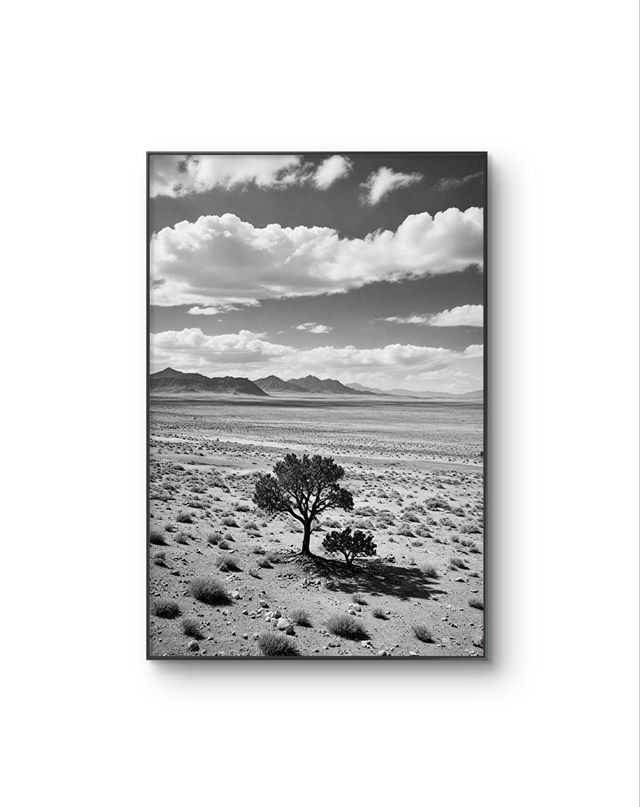
Resilience in the Wasteland
LumièreVue
Black & white photography · Edition of 25 · Signed
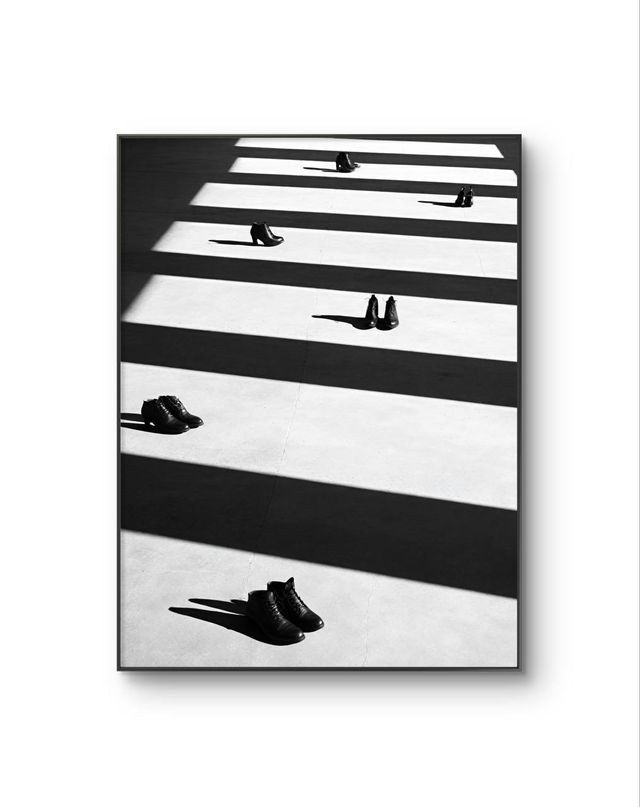
Traces of the Unseen
Serena
Black & white photography · Edition of 25 · Signed
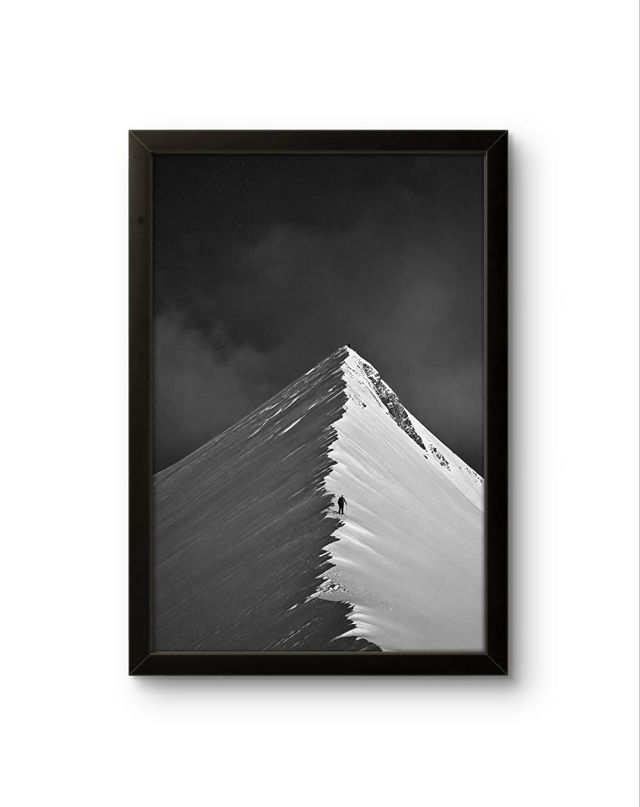
Climbing the Edge of the World
Bonaque
Black & white photography · Edition of 25 · Signed
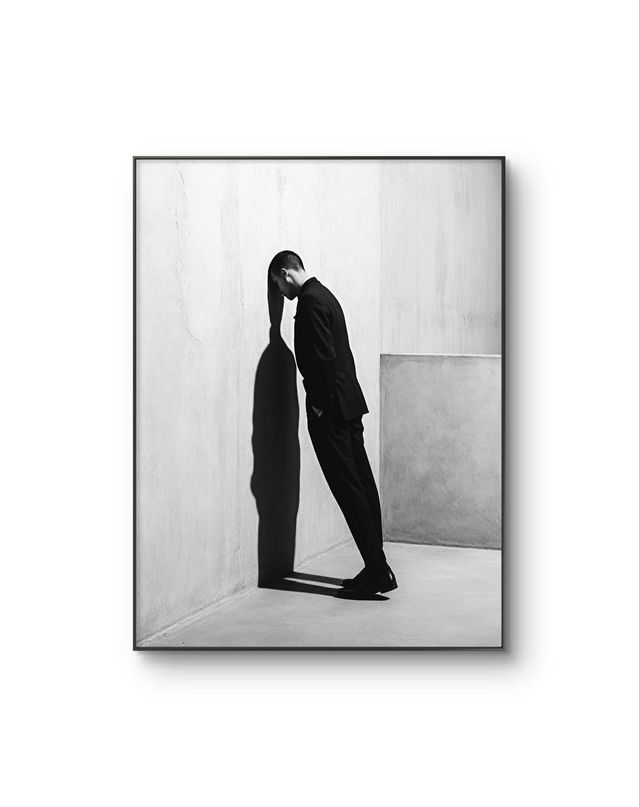
Silent Resistance
Serena
Black & white photography · Edition of 25 · Signed
Listed on ArtMarket, our commercial partner. Edition details and pricing are on their site.
Continue reading
- Limited Edition Prints Explained: What 1/9 Actually MeansThe fraction on a print is the single most important thing on it. What edition numbers mean, where the signature goes, and what AP and EA are for.
- How to Start Collecting Photography: A Practical GuideWhat makes a photograph collectable, the print processes worth knowing, where to look in France, how to give a collection a thread and how to buy online.
- How to Frame a 45 × 30 Photography Print: A Practical GuideArt prints ship rolled and unframed. Here is how to flatten, mat, glaze and hang a 45 × 30 photograph without damaging it — and what it actually costs.