Published · 8 min read
Limited Edition Prints Explained: What 1/9 Actually Means
The fraction on a print is the single most important thing on it. What edition numbers mean, where the signature goes, and what AP and EA are for.
Somewhere on a print you are considering — bottom left, in pencil, small enough to miss — there is a fraction. It might read 1/9, or 4/15, or 112/500. That fraction tells you more about what you are buying than the title, the frame or the description ever will, and a surprising number of first-time buyers never think to look for it.
What the fraction actually says
Read 4/15 as "the fourth print out of an edition of fifteen." The number on the right is the one that matters: it is the total number of prints of that image the artist has undertaken to make. Fifteen means fifteen, ever. When the edition is complete, the plate, screen or file is not meant to be printed from again.
The number on the left is simply which one you have. It carries no premium in most contemporary work — 1/15 is not worth more than 12/15, and any seller implying otherwise is inventing scarcity inside scarcity. In older printmaking, where plates degraded across a run, early impressions genuinely were sharper. With digital and photographic printing the hundredth print is identical to the first, so the argument no longer holds.
Why the edition size is the price
Everything about a print's value follows from how many exist. An image printed nine times is a scarce object; the same image printed five hundred times is merchandise, however good it looks on the wall. This is the whole logic of the medium, and it is why two prints of comparable size and quality can differ tenfold in price with nothing visible to explain it.
To make that concrete: the black-and-white photographs this site covers run in editions of nine, ten and fifteen. Two landscapes by LumièreVue are the tightest at nine. Serena's work runs to fifteen. At those numbers, the total number of people in the world who can own that image is smaller than a dinner party — and that, not the paper, is what you are paying for.
A short edition does not make a photograph better. It makes it rarer. Those are different claims, and only the second one is a fact about the market.
Signed, numbered, and where the signature goes
A print that is neither signed nor numbered is a reproduction. It may be a beautiful reproduction, printed to a high standard on good paper, but it sits in a different category and should be priced in a different category.
Where the signature sits varies more than people expect. In printmaking the convention is pencil in the bottom margin: edition number on the left, title in the centre, signature on the right. In art photography it is common to sign the reverse instead — Bonaque and Serena both do — precisely so the image itself stays clean to the edge. Neither is more legitimate than the other. What matters is that the signature is applied by hand to that individual print, not printed as part of the image.
A signature reproduced inside the image is not a signature. It is part of the picture, it appears identically on every copy, and it certifies nothing.
AP, EA, HC and the other letters
Some prints carry letters where you expect a number. They are not defects and they are not upgrades.
- AP — artist's proof. In English-language editions, prints kept back by the artist outside the numbered run. Historically these were working proofs pulled to check the image; now they are usually simply the artist's own copies.
- EA — épreuve d'artiste. The French term for exactly the same thing, and the one you will see most often on work printed in France.
- HC — hors commerce. Not for sale: proofs intended for the printer, the publisher or exhibition use.
The convention is that proofs run to roughly ten per cent of the edition, so an edition of fifty might carry five artist's proofs. Ask how many exist. An "edition of nine" that quietly comes with twelve artist's proofs is an edition of twenty-one wearing a smaller number, and you are entitled to know that before you buy.
The printing process is a separate question
Edition size and printing process are often confused, and they answer different questions. The edition tells you how many exist. The process tells you how the object was made and how long it will last.
- Giclée — pigment inkjet on fine art paper. The current standard for both photographic and reproduction printing; excellent longevity when pigment inks and archival paper are used.
- Digital print — the broader term, and the one used on the photographs covered here, printed on art photographic paper.
- Screenprint (sérigraphie) — ink pushed through a stencil, one colour at a time. Flat, saturated colour and a slight physical relief you can feel.
- Lithograph — printed from a stone or plate. "Offset lithograph" in a sales listing usually means a commercial reproduction rather than an artist's print, so ask which is meant.
- Etching, engraving, drypoint — intaglio processes. Look for the plate mark, the shallow indentation the plate presses into the paper.
Open editions are a different product
An open edition is unlimited and unnumbered: it can be reprinted for as long as anyone wants to buy it. There is nothing wrong with that — a good open-edition print on decent paper is an entirely reasonable thing to hang. It is simply not a collectable object, and it should not be priced as one.
The phrase to watch for is "limited edition of 500." At that number the word limited is doing no work. Five hundred copies is a print run, and the price should reflect a reproduction rather than an editioned original.
What to check before you buy
Five questions cover almost everything. What is the edition size? How many proofs exist outside it? Is the print signed by hand, and where? What is the process and the paper? And what documentation comes with it — a certificate stating artist, title, year, process, dimensions and edition number, or nothing at all?
A seller who answers those five without hesitation is one you can buy from. A seller who treats them as an interrogation has told you what you needed to know.
Discover similar artwork
Signed, limited-edition photographs listed on ArtMarket, our commercial partner — for when the reading turns into wanting a real print.
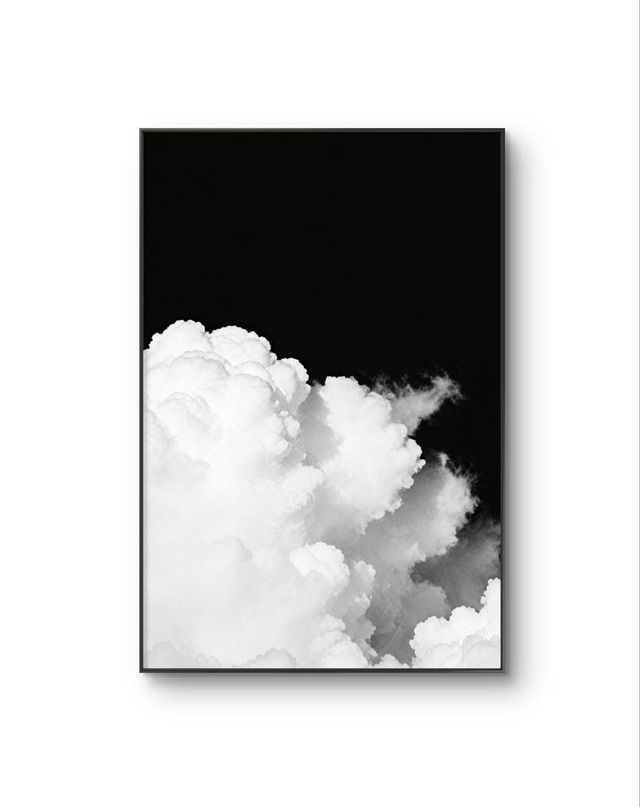
Celestial Contrast
Serena
Black & white photography · Edition of 25 · Signed
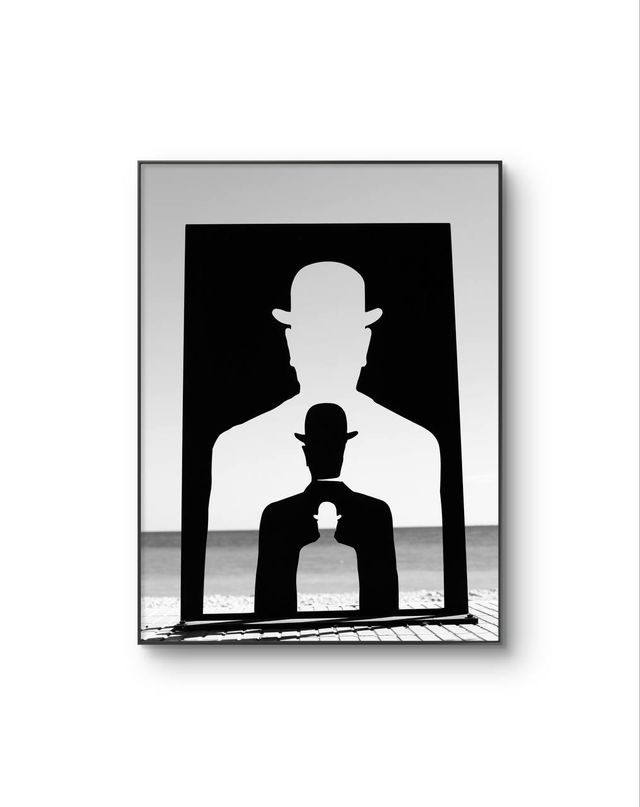
Infinite Reflection
Serena
Black & white photography · Edition of 25 · Signed
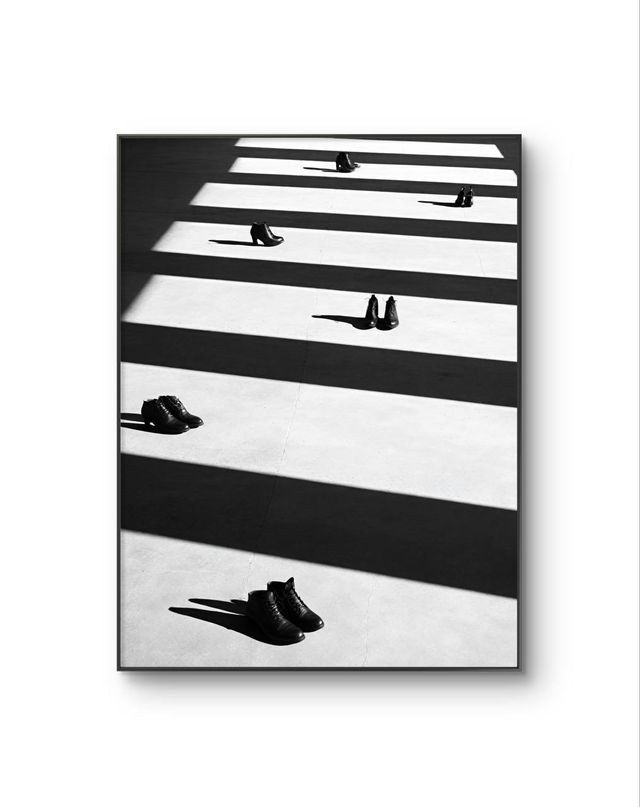
Traces of the Unseen
Serena
Black & white photography · Edition of 25 · Signed
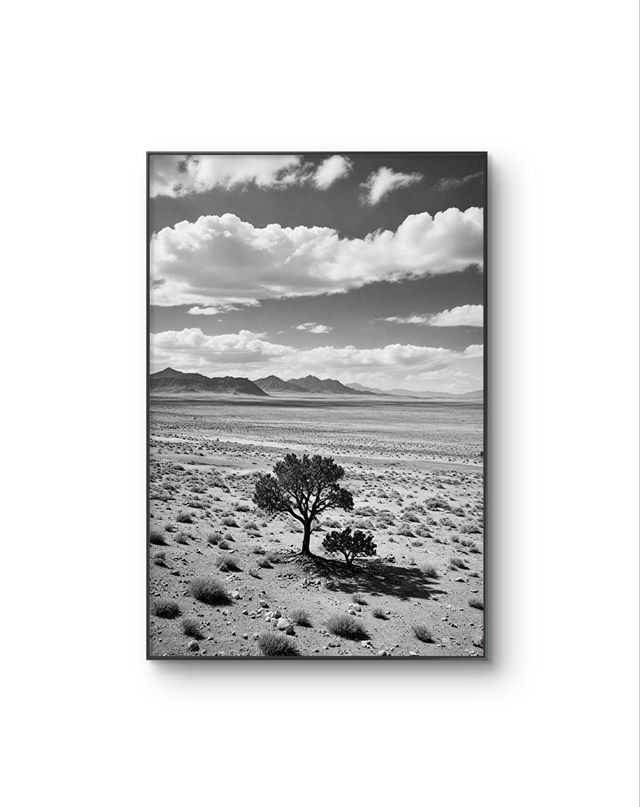
Resilience in the Wasteland
LumièreVue
Black & white photography · Edition of 25 · Signed
Listed on ArtMarket, our commercial partner. Edition details and pricing are on their site.
Continue reading
- How to Start Collecting Photography: A Practical GuideWhat makes a photograph collectable, the print processes worth knowing, where to look in France, how to give a collection a thread and how to buy online.
- Giclée, Lithograph, Screenprint: Print Types ExplainedThe word “print” covers a stone lithograph, a screenprint, an etching, a pigment print and a poster. How to tell them apart, and what each is worth.
- Original or Limited Edition? How to Choose What to BuyUnique work, numbered edition or open reproduction: what each one is, how each is priced, what paperwork to expect, and which suits your budget.