Published · 7 min read
Starting an Art Collection on a Small Budget
You do not need thousands to start collecting. Where the €50–€500 band actually is in France, how to give a collection a spine, and what to avoid early.
A collection is not a quantity of art. It is more than one thing, chosen on purpose, by someone who can say why. That definition costs nothing to satisfy, which is the useful part: the barrier to starting is not money, it is the belief that collecting is something other people do.
The rule that makes the rest easy
Buy only what you would be content to own if it never appreciated by a single euro. Not as modesty — as strategy. Nobody can reliably predict which emerging artist will matter in twenty years, and a collection assembled by guessing is a portfolio of bad guesses you also have to look at every day. A collection assembled by preference is a set of things you like, and it works regardless of what the market does.
This also removes the anxiety that stops most people buying anything at all. If the only test is whether you want to live with it, you are qualified to apply the test.
Where the small-budget band actually is
Under €100 is real, and it is not a compromise tier. It is signed, numbered printmaking and photography — the part of the market where a small, capped edition puts a genuinely scarce object within reach. The photographs covered elsewhere on this site sit exactly here: hand-signed, in editions of 25, printed at 40 × 30 cm, at €65–€95.
€100 to €500 is where unique work starts. Drawings, small works on paper, studies, small canvases by artists at the beginning of a career, and the upper end of art photography. A drawing is often the best value in this band: it is unique, it is frequently the most direct thing an artist makes, and it is priced well below a painting of comparable quality because of what it is made of rather than what it is.
Graduate and degree shows are the other entry point, and the prices are the lowest you will ever see for original work. Approach them knowing that most of these artists will not continue, which is fine, because you are buying under the rule above.
Why editions are the right way in
A limited edition print does something no other price band offers: it lets you own a serious work by a serious artist for the price of a dinner, because the cost is divided across a capped edition rather than borne by one.
The trade-off is that you are one of nine people with that image, and the works will not behave like unique pieces in the resale market. Under the rule above, neither of those is a problem. What matters is that you learn quickly — buying three prints teaches you more about your own taste than agonising for a year over one painting.
Practical note: shipping thresholds usually favour buying more than one at a time. Free EU shipping above €175 means three prints travel for the price of nothing, and one does not.
Give the collection a spine
The difference between a collection and an accumulation is a constraint. Pick one, loosely, after the first few purchases rather than before:
- A medium — only works on paper, only photography, only prints.
- A subject — landscape, interiors, the sea, people at work.
- A palette — monochrome is the classic version, and it hangs together on a wall almost automatically.
- A place — artists from one city or region, which also gives you somewhere to go and see things.
- A size — everything small, everything hung in a grid.
A constraint makes decisions easier rather than harder, because most of what you see is now simply not for you. It also makes the collection legible to anyone who walks into the room, which is a large part of the pleasure.
Budget the framing from the start
This is where small-budget collecting most often stalls. Prints ship rolled and unframed, and conservation framing — acid-free mat, UV glazing, a decent moulding — frequently costs more than an affordable print did. That is not an argument against buying the print. It is an argument for treating the framing as part of the purchase price when you decide what you can afford.
If money is tight, the order of priority is fixed: acid-free mat first, then UV glazing, then the frame itself. The moulding is the only part of the stack you can upgrade later without touching the work.
Pace, and what to skip
One considered purchase a year builds a better collection than four impulse buys, and it costs less. The pieces you regret are almost always the ones bought to fill a specific empty wall by a specific weekend.
Things to skip early: anything sold primarily as an investment; "signed" reproductions where the signature is printed inside the image; limited editions running to several hundred; and any work you are buying because it matches a sofa. The sofa will go before the art does.
Keep the paperwork, from the first purchase
Start a folder — physical or a photographed one on your phone — the day you buy the first thing. Invoice, certificate where there is one, the artist's name spelled correctly, where you bought it and when. It takes a minute per work and it is the difference between a collection and a wall of objects whose origins you half remember.
It matters more than it sounds. Ten years in, the piece you can document is worth more, is insurable, and is a great deal easier to talk about than the one you bought somewhere in Marseille from someone whose name you did not write down.
Discover similar artwork
Signed, limited-edition photographs listed on ArtMarket, our commercial partner — for when the reading turns into wanting a real print.
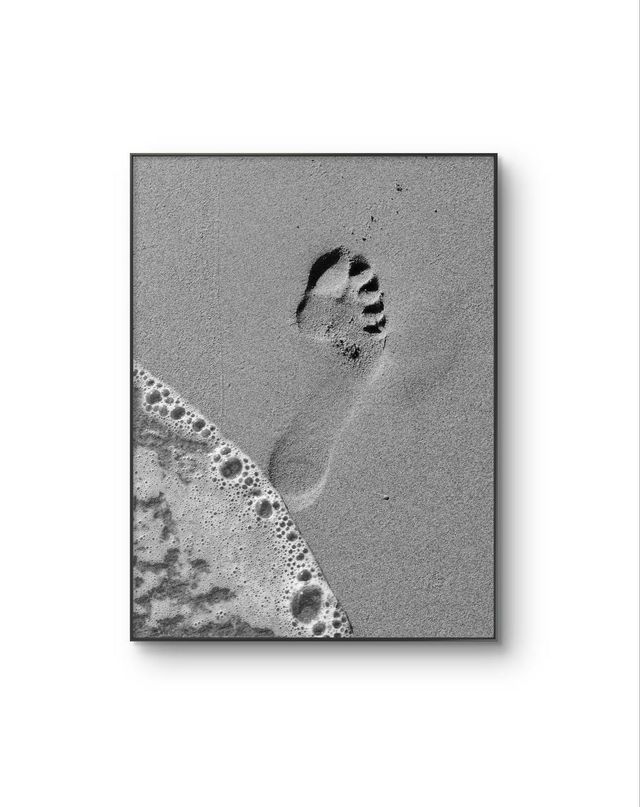
Fading Steps
Serena
Black & white photography · Edition of 25 · Signed
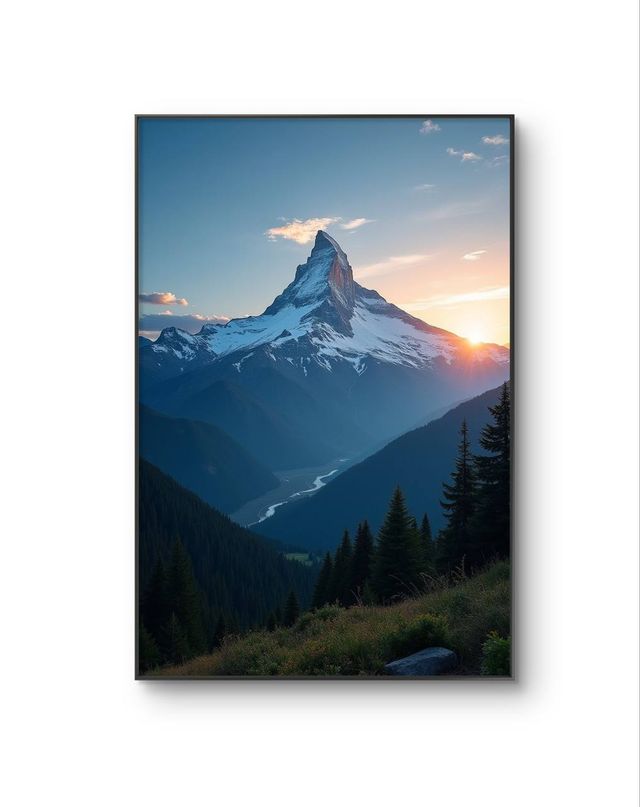
The Summit’s Embrace
LumièreVue
Colour photography · Edition of 25 · Signed
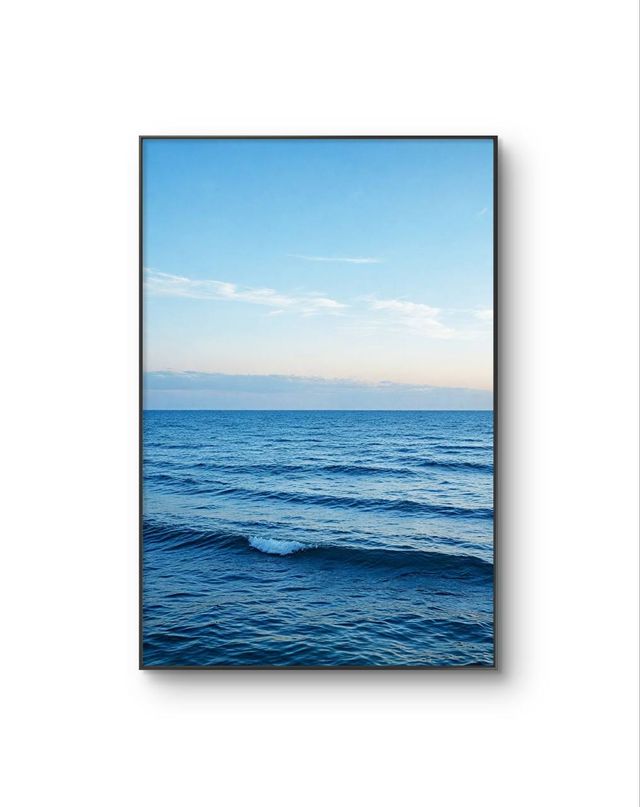
Endless Horizon
LumièreVue
Colour photography · Edition of 25 · Signed
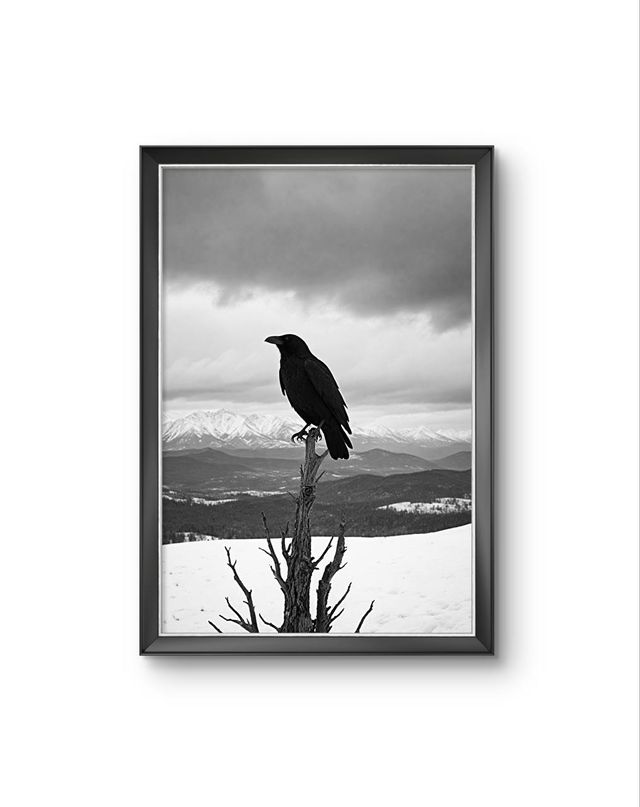
The Watchful Raven
Bonaque
Black & white photography · Edition of 25 · Signed
Listed on ArtMarket, our commercial partner. Edition details and pricing are on their site.
Continue reading
- How Much to Spend on Your First ArtworkSet a figure you are content to have simply spent, see what each price band buys in France, and count framing, shipping and paperwork before you pay.
- Limited Edition Prints Explained: What 1/9 Actually MeansThe fraction on a print is the single most important thing on it. What edition numbers mean, where the signature goes, and what AP and EA are for.
- How to Start Collecting Photography: A Practical GuideWhat makes a photograph collectable, the print processes worth knowing, where to look in France, how to give a collection a thread and how to buy online.